

McEwan's Atonement gives rise to the question of whether a person can achieve redemption. The text explores the profound impact of individual perspectives on our journey toward redemption. It suggests that our views on events play a crucial role in determining how we perceive our guilt and moral standing. By analyzing the structure and themes of the novel, we can understand that it offers a commentary on the subjective nature of reality—highlighting how personal interpretations can influence not only our experiences but also our sense of accountability and potential for atonement. Ultimately, it posits that redemption is not just a personal endeavor, but one intricately tied to how we interpret the events that shape our lives.
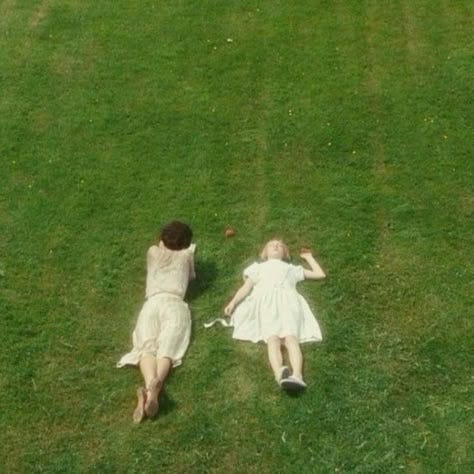
Briony is the perfect example of an unreliable narrator whose own warped view ebbs into the rest of the story, fluctuating truths and fragmenting lives. What really struck me about Atonement is how McEwan utilizes perspective to control the narrative. We believe what we see until that illusion shatters. The choice to withhold the identity of the narrator until the end of the story allows us to think hard about who has truly atoned and who has suffered at the hands of those seeking atonement.
Shocking us that much more when the truth is revealed— we end the book confused, angry, and bitter at Briony and that is the entire point. Atonement is a novel heavily nuanced in symbolism and metaphor. The vase is a symbol of the Tallis legacy and Cecelia breaking away from it. The concept of atonement woven through narration serves as both a touchstone of the plot and a foreshadowing of what cannot be attained. To understand these rhetorical choices by looking at the novel through Briony and her falsehoods and how her choices ripple out like water from the fountain seemed to be the best route for me as a reader. So that is what we will do.
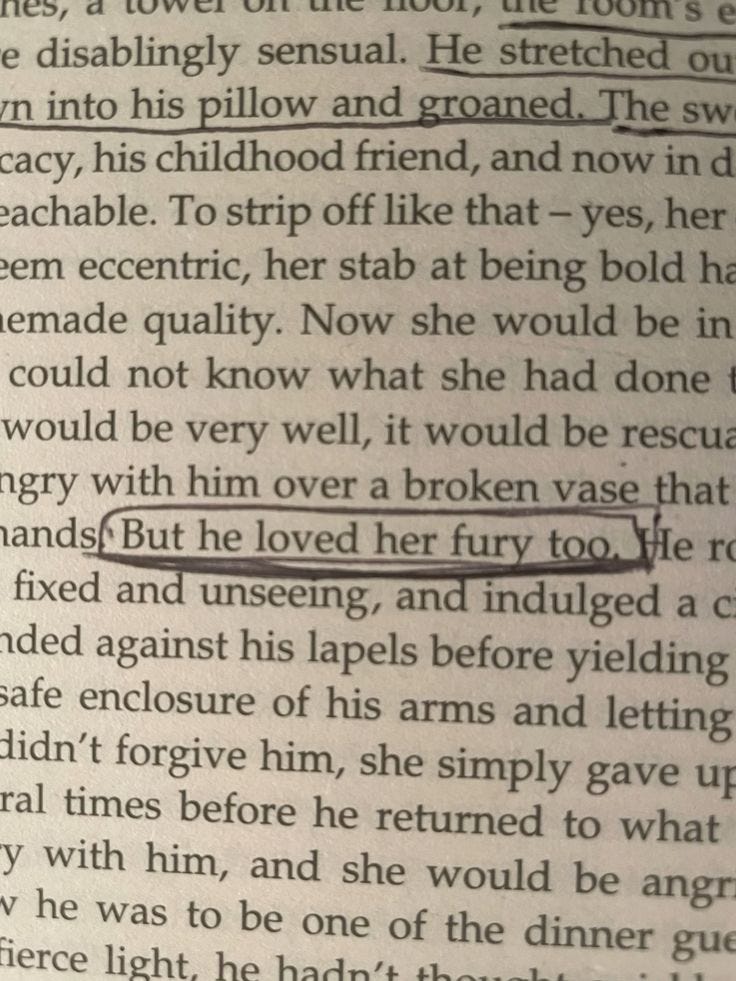
For most of Atonement, the reader believes it is a story from multiple firsthand perspectives. A rhetorical choice that allows for the showing of the many lives affected by Briony’s accusations and the war. We see into characters' heads, why they act the way they do, who they love, who they hate. So why would we have any suspicion that this is all a lie? Atonement is a ‘novel’ written by Briony as a grand gesture to clear her conscience of any lingering guilt. And it is in that stylistic choice that McEwan makes claims about class and human nature.
As you read Atonement you are shown varying perspectives, believing that this shift in focus is what accounts for the notion of perspective. Surely it must be— we are given vastly different perspectives, and we see their personal hang-ups and prejudices. How the Tallis family has been shaped by their wealth, and how Robbie is affected by their choices. This follows the idea that McEwan wrote a book about how your class and station change your reality. However, that's not the case. It was Briony who ‘wrote’ Atonement. Their realities are changed by her class and station. Ultimately, Briony's character is what proves perception is reality. This story is being written by the character who seems to be most obsessed with atonement. A simple choice that makes every choice we see Briony make tainted.
Our lack of belief in Briony's motives can even spill over into the question of who she is atoning to. Once we finish the novel and learn that Robbie and Cecelia are dead, we know it isn’t them who she is apologizing to. This is when it becomes less about the idea of atoning and instead about clearing her good name. Briony is too selfish to truly atone; she merely seeks the comfort of knowing that others no longer blame her. If her novel is her act of atonement, then how much of it can we even believe? And if she is peddling lies, has she learned anything? Briony’s need to control the narrative and mold the world to her ideals is how she got into this in the first place. Briony is a selfish and unreliable narrator who has the damming need to shove others into her own ideals— this is why I believe McEwan is hinting at the idea that she is incapable of achieving atonement. Even when she attempts to become a nurse like her sister and help those in need, she is clouded by her privilege and herself serving motivation, telling patients her name. She began nursing as ‘penance’, but sometimes it feels as if her motivation was impure and therefore making her penance self-serving.
Briony is wholly flawed and serves as a foil for Robbie’s character—playing upon the ‘bad’ in her character and the ‘good’ in his. Where she is privileged, Robbie is indebted to her family; where she is dishonest, Robbie is punished for her errors. And while she is not evil, we know her upbringing has affected her deeply. I believe McEwan intended her to serve as a figurehead of the upper class. McEwan uses their obvious dichotomy to mirror that of the English class system. One that also had its history written by the victor. Her selfishness is both her fatal flaw and a conscious rhetorical choice made by the author. The concept of atonement throughout the novel is an extension of the narrative and serves as almost another character, or the shadow of one. Following the plot on the heels of Briony's narration, we see atonement echoing through the novel, especially after learning who ‘wrote’ it.
The vase that is broken by Robbie and Cecelia (the one we learn has been broken before and was pieced back together) was a gift to their uncle. One that, despite the war, was brought back to the family after his death. We see it serving as an extension of the family and how easily it is to shatter their carefully held-together unit— Robbie and Cecelia break it in anger or sexual frustration, but, Cecelia easily atones for this by doing the work to have it pieced back together and returned to as close as its original state as possible. But things can never quite return to the way they were before once shattered, something mirrored in the shattering of the Tallis family upon Briony’s false accusation. While she takes the step to cut herself off from her family to seek her atonement, this is overshadowed by her tell-all novel that gains glowing reviews from the very family she isolated herself from. Try as she might, Briony will never escape her actions, especially not when her atonement is done so through rewriting history to suit her needs. A well-rounded understanding of this novel begins with looking into how McEwan uses his characters as symbols and how they interact with his metaphoric symbols as well.
Whether Briony is chasing atonement, or it is haunting her, we never see the need to atone realized.
Therein lies the tragedy.
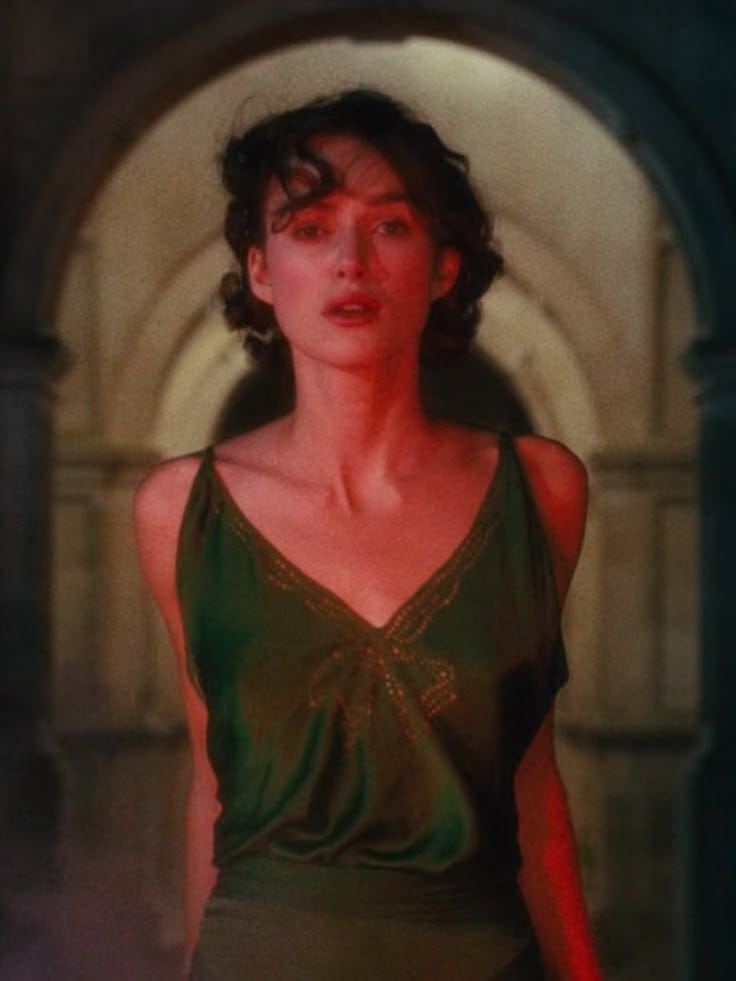
If Briony has no haters… I am dead